Why Does My Horse.. a guide to common behavioural issues and how to overcome them
- Articles
- Education
-
Mar 25
- Share post

Shireen Timmis BSc. (Hons)
Project Equine


I get to see a wide range of behavioural issues and I’ve included below some of the most common.
Please note that if you experience a sudden or unexpected change in behaviour your first port of call should always be a vet. A vast majority of all behavioural cases are caused by a reaction to pain, and you should only start to consider the behavioural route when you have ruled out all possible pain issues.
The following are some of the most common behavioural issues that I come across, I’ve grouped some together as often they have a similar root cause.
Mounting Issues – most commonly not standing still to be mounted.
This can be caused by a wide range of issues – Once you’ve ruled out pain or an issue such as kissing spines, muscular atrophy or dental issues, the next area to consider is the saddle.
Ensure that it fits correctly, and discuss with your saddler the use of a half pad if you need to. Pain memory is another that is worth considering. This can be from an old injury or discomfort.
If you’ve ruled out pain and tack fitting issues, look to the temperament of your horse. If they are quite forward and excited about life then you need to teach them that instead of you getting on being a go or a forward cue, it is a cue to stand. One way of doing this is creating a space that is difficult for your horse to immediately leave whilst you’re mounting.
An L shape made utilising walls or a blocked in area is useful, or teaching them that the mounting block is a good place to stand and relax. Having a groundsperson here is very handy. If you are struggling to establish calmness around the mounting block, go right the way back to basics and start as if you were starting a young horse again.
Slowly get them used to you standing next to them, jumping next to them, having the mounting block next to them, having you standing on the mounting block. Really build up to it and work on establishing your stand cues and keeping all aspects of your work calm, quiet and under threshold.
Napping/Separation Anxiety/Spooking
Napping, spooking and separation anxiety are all dependent on the individual and their circumstances.
However we can look at this as a whole and consider the breed in general. Horses are built to be in a herd, Their survival system is based on warnings from others and strength in numbers, so when we ask a horse to go outside of that and work alone it’s no surprise that we begin to pick up some issues.
I recommend beginning with some ground work, and desensitisation – if you know your horse is nervous around something in particular see if you can’t bring it in to a safe environment. Be careful not to ‘flood’ your horses however, and over expose them to the scary thing.
The best way to avoid doing this is to get them to follow the object that they’re scared of – a helper is handy here – because then they have a choice and an escape route if it gets too much for them.
Rearing
If this is a repetitive issue your first port of call should be to call the vet. Rearing often occurs after the horse has tried to communicate with you in different or ‘quieter’ ways.
Think of it like a conversation – if you’re trying to tell someone something and they’re overtalking most of us will eventually shout. That is mostly what rearing is. It can also be caused by too much communication which causes a misunderstanding – so asking for a halt and asking to move forwards at the same time.
Remember that a horse needs to be stationary to rear – even if it’s only for a very short period of time. Keep the leg on and the hands nice and soft and relaxed. Stay calm but assertive and try to assess what the best reaction is for the situation.
Each situation will be different and highly specific to the individual so if you feel like you’re struggling to cope I would suggest getting a qualified professional out.
Sudden Dislike to Riding
Non-responsive to aids – once all pain issues are removed from the equation this can be relatively simple to solve. Begin by thinking about exactly what it is your asking for and when the lack of responsiveness is occurring.
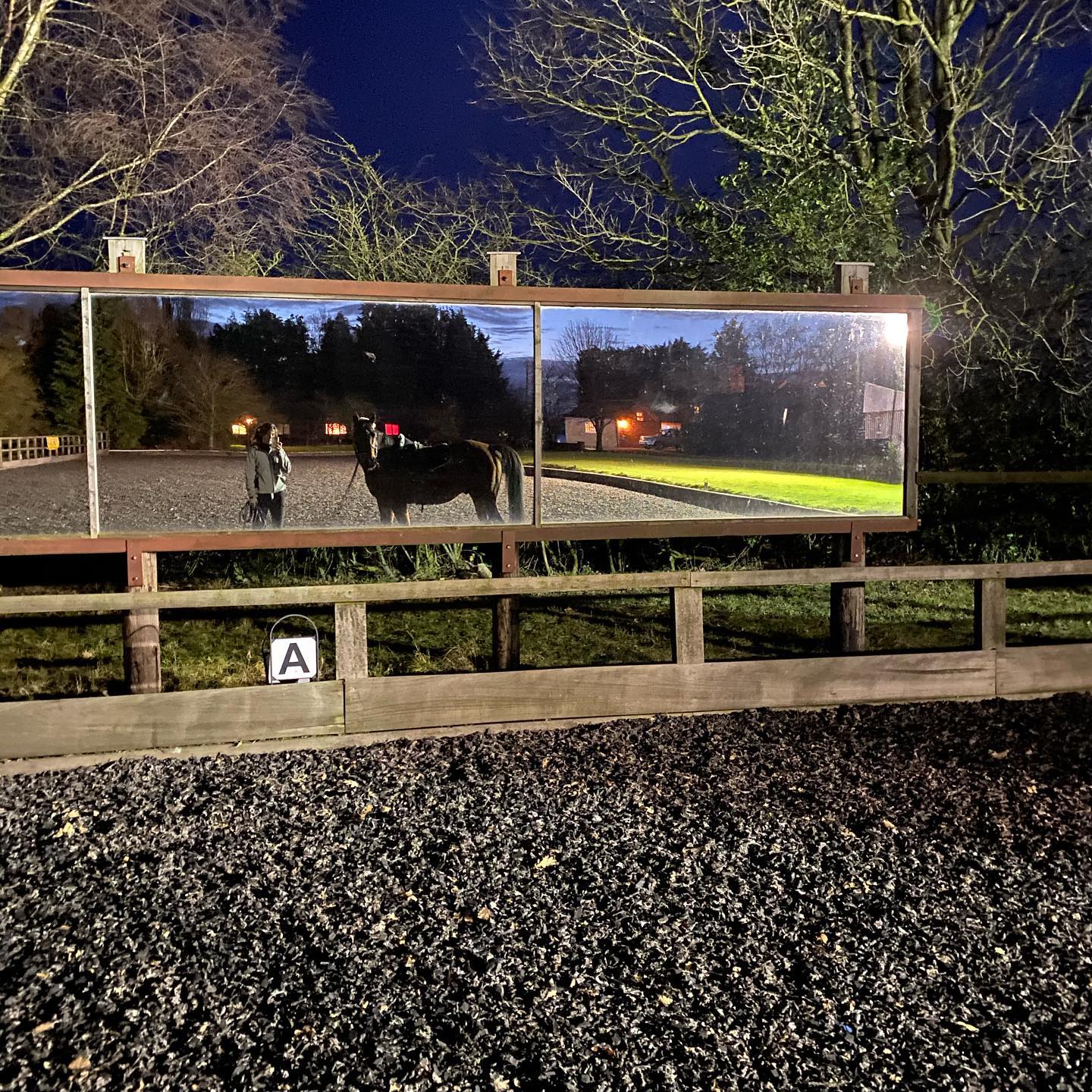
A good place to start is by filming your riding – you can either get a friend to do this or use device such as a PIVO or even prop your phone up on a fence post. When working with clients I use the On Track app to run comparisons and to analyse footage. Filming yourself ride is useful because you can see things that you might not be able to feel.
When you have some idea of the areas where you can improve, the real work begins. When ever you apply an aid begin by asking as lightly as possible, from here build upon the aid so if we are asking a horse to move over we ask with a squeeze through the lower leg, upon releasing that pressure we ask again but in a slightly firmer manner. If this doesn’t work we back it up with a whip. This is usually where most horses will offer a response – if they don’t I would consider getting an experienced groundsperson or coach out to offer their professional advice as you may not be applying the aid correctly
Barging
Barging is a learned behaviour. Although it is very common in horses that have raced on the flat (think about coming out of stalls) it can be seen across the species. In horse to horse (intra-specific) communication it is thought that it is used to confirm dominance and establish rank.
To get around this you are going to have to set some ground rules. Begin by removing treats entirely from the equation (don’t worry you can bring them back at a later date).
Now think of yourself and your personal space as you in a zorb ball. If you were walking around with one of those around you your horse wouldn’t be able to get through you – he would just bounce off. That is the effect that you are trying to create. If your horse come towards you when you don’t want him to – then send him back. You can either do this by aggressively stepping forwards, jiggling your lead rope or combining the two.
If he is rushing as well start to incorporate halting circles and backing up. This can often be a very slow process to fix, but once you have the basics it becomes second nature. You must decide what behaviour you think is acceptable and be clear, concise and consistent in allowing or training that behaviour.
Background
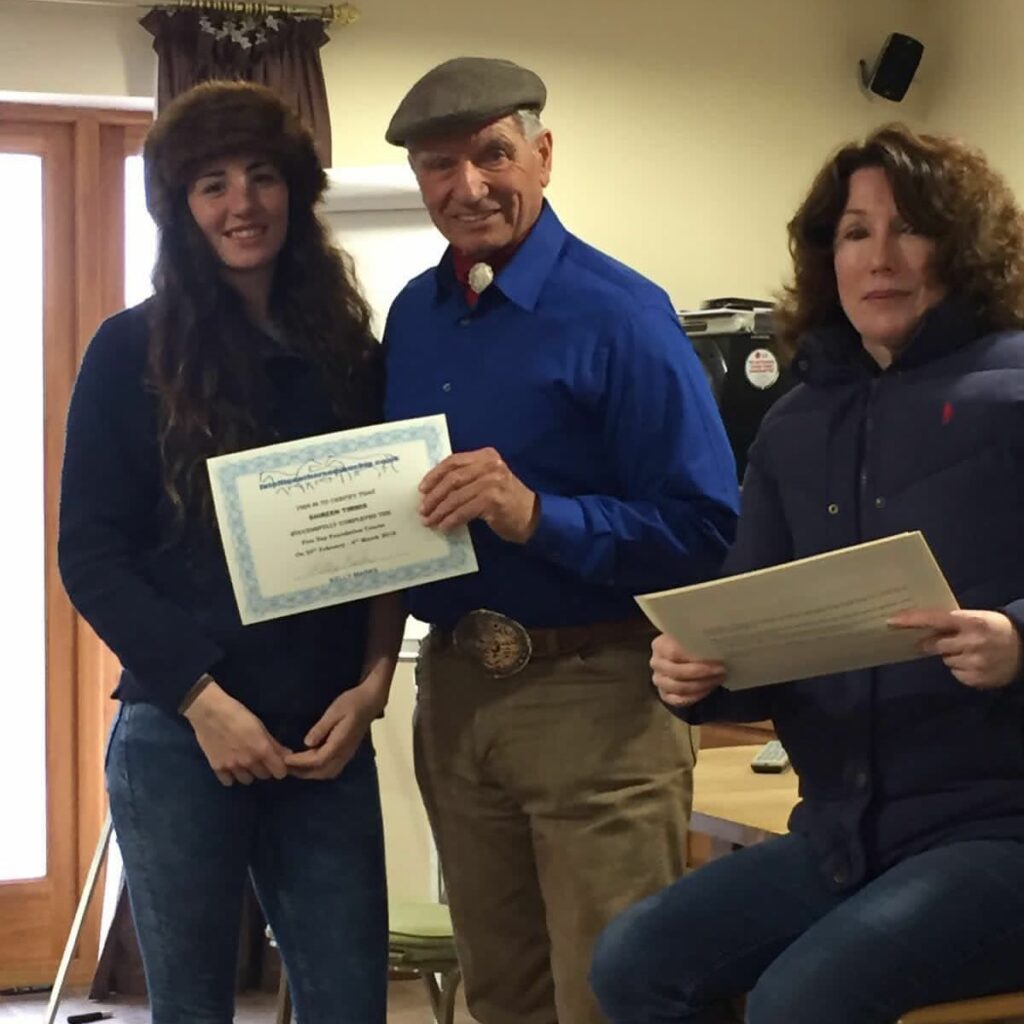
Shireen is the owner of Project Equine, a business that aims to help make the communication between you and your horse more effective, improve your confidence and help you to overcome behavioural issues. Project Equine started 6 years ago after Shireen graduated with full honours in Equine Sports Science. In addition to this she holds a diploma in Sports Psychology, and has trained with Intelligent Horsemanship.
She is constantly working to improve upon her existing base of knowledge. She can be found on Facebook (www.facebook.com/projectequine1) and Instagram (www.instagram.com/projectequine) and there is more information on her, the business and the services available on her website www.projectequine.co.uk